I like figuring out how things work—and making them work better.
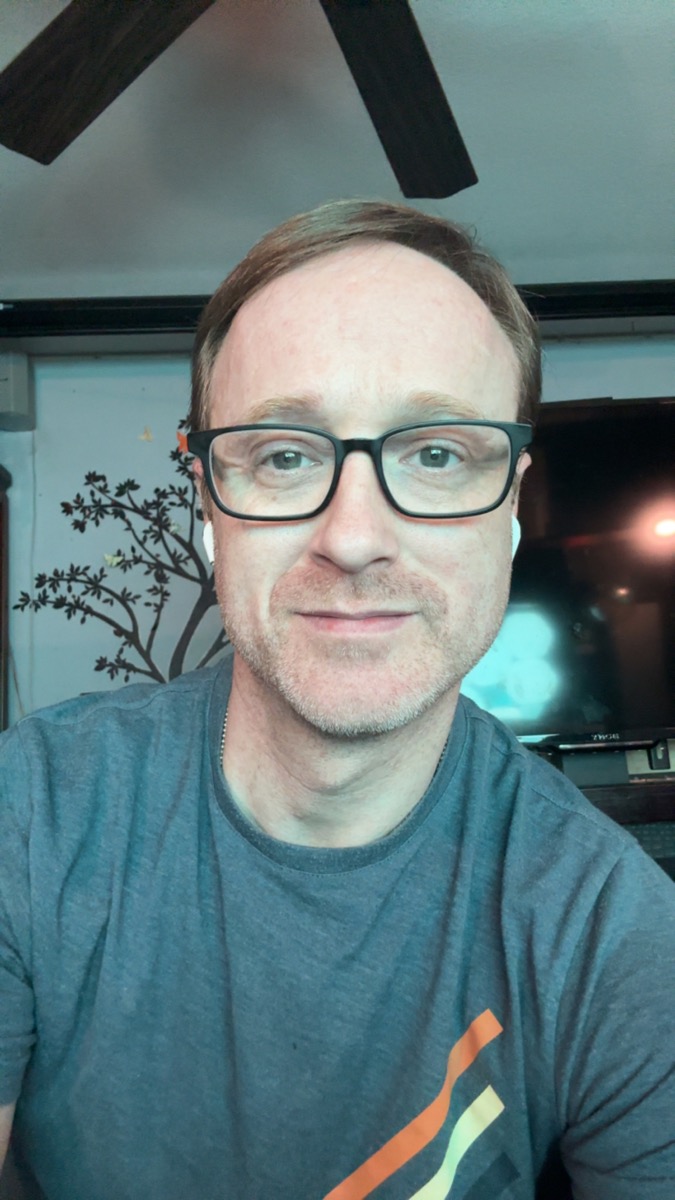
I’m Trace Downey, a technical problem-solver, systems thinker, and lifelong maker based in Central Texas.
My professional work has taken me through banking operations, internal controls, compliance, quality assurance, enterprise technical support, documentation, process improvement, databases, automation, and app development.
Away from work, the tools may change—a camera, sewing machine, saw, soldering iron, or computer—but the way I approach a problem stays mostly the same.
The common thread is how I think.
I usually begin by asking how something is supposed to work, what is actually happening, and where the two stopped matching.
I like taking complicated systems apart, identifying the pieces that matter, and putting them back together in a way that is clearer and more useful. That may mean diagnosing a technical issue, reorganizing a workflow, documenting a process, building an internal tool, or finding a practical way to complete a physical project.
I am patient with complicated problems, but I am direct about what is not working. I would rather understand and correct the underlying issue than repeatedly patch the symptom.
My professional background taught me to look beneath the surface.
I spent many years in banking operations, risk, compliance, and internal controls. That work taught me the difference between a process that looks good on paper and one that can hold up under real-world use and closer review.
It also taught me to pay attention to ownership, documentation, unintended consequences, and the small weaknesses that eventually become larger problems.
Today, I apply those same habits in enterprise technical support and systems work. I troubleshoot issues, interpret procedures, improve documentation, examine workflows, and build tools that make information easier to find and use.
Regardless of the job title, much of my work has involved the same basic responsibility: understand the problem, communicate it clearly, and leave the process stronger than I found it.
Making things is another way I learn.
I have never been especially interested in staying inside one creative lane.
I photograph and document places. I build software and experiment with Raspberry Pi projects. I quilt, sew, restore furniture, work with wood, fold paper, design jewelry, and continue the long process of restoring an old house.
Those projects may appear unrelated, but they rely on many of the same skills: observation, planning, precision, adaptability, and the willingness to redo something when the first approach does not work.
I enjoy learning how materials behave, how systems interact, and how an idea changes when it becomes something real. Sometimes the finished result is the goal. Sometimes the most valuable part is what I learned while making it.
Why this site exists.
Most portfolios expect everything to fit neatly into one category. My work never has.
This site gives the technical work, professional experience, photography, craft, restoration, and various side projects one place to live without pretending they are all the same thing.
It is part portfolio, part project archive, and part record of what holds my attention. Some projects are polished and complete. Others document the decisions, mistakes, revisions, and problem-solving that happened along the way.
Together, they show more about how I work than any single title or category could.
What matters to me.
I value clarity, usefulness, accuracy, thoughtful design, and work that can withstand a closer look.
I believe good documentation is part of the finished product. I believe creativity benefits from structure. I believe presentation matters, but it should never hide weak thinking or unfinished work.
The medium may change, but the standard does not: understand what you are building, care about the details, and follow through.
See what I’m working on.
Browse the projects for the fuller picture, or visit the Work and Resume sections for the professional version.